
Website development has long gone beyond simple visual design. Today, web development is a complex system where business goals, user experience, technical architecture, and data analytics intersect. The same site can either generate leads and boost conversions, or lose users on the first screen. The difference is often hidden in details that at first glance seem secondary.
Strategy, Structure And Business Objectives

Any project does not start with design, but with understanding the tasks. A brief, user research, and competitor analysis are the foundations. Without it, it is impossible to build a competent information architecture. The site map, the structure of the pages, the logic of the user path all form the basis of the future product.
Sometimes companies ignore this stage. The result is predictable. A website appears without a clear structure, with scattered content and poor navigation. The user logs in, doesn’t understand what to do next, and leaves. The conversion rate is falling, and lead generation is not working. It is important to determine the type of project in advance. This can be a corporate website, an e-commerce platform, or a custom web application. An error at this stage affects everything from UX to integrations.
User Experience And Interface

UX design is not just about aesthetics. This is the logic of interaction. The user should not think too long. Navigation should be obvious, structure predictable, and actions understandable. Download speed plays a critical role. Slow pages increase the bounce rate. The user is not waiting. He closes the tab.
Mobile adaptability is no longer an option. This is a prerequisite. Most of the traffic comes from smartphones. If the site is inconvenient on mobile devices, the business loses its audience. UI design complements UX. It helps to visually guide the user. Buttons, accents, margins everything matters. Even small details affect behavior.
Technical Base And Development

Web development is divided into frontend and backend. The frontend is responsible for the user interface. HTML, CSS, and JavaScript shape the appearance. The backend works with the server, database, and API. Full-stack development combines both approaches. It’s convenient. It’s faster. But it requires high qualifications. Performance depends on the architecture. Incorrect decisions lead to slow downloads and crashes. Scalability is also important. The site must withstand the growth of traffic.
SEO, Integration And Exploitation

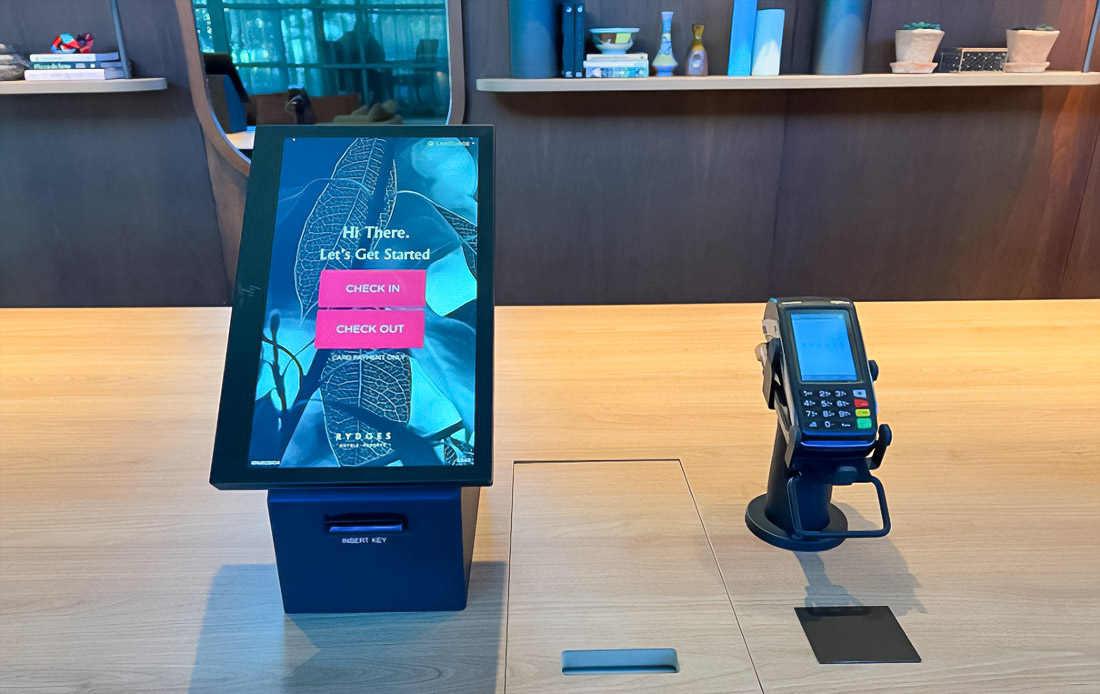
SEO optimization should be integrated into the website structure. Clean URLs, metadata, and internal linking are not an addition, but a foundation. Without this, the site loses visibility and traffic. Integrations make the site useful. CRM integration automates lead processing, while features like contactless check in can enhance user convenience in service-based platforms. Payment systems simplify purchases. Analytics collects data about user behavior.
If a website is not connected to business processes, it becomes an isolated tool. This reduces efficiency. Automation solves this problem. Pre-launch testing is mandatory. Download speed, adaptability, cross-browser compatibility, and security are checked. Mistakes at this stage are cheaper to fix.
After the launch, the work does not end. Hosting, SSL certificate, CDN, backup all this supports stability. Vulnerabilities appear without regular updates. Web development is a system of interrelated elements. UX, SEO, architecture, integration, and support work together. Remove one element and the efficiency drops. A good website doesn’t just exist. He works. Quickly. Comfortable. Reliable. It is such projects that become a tool for growth, and not just a page on the Internet.

Biker, shiba-inu lover, guitarist, Swiss design-head and multidisciplinary designer. Performing at the fulcrum of aesthetics and programing to create not just a logo, but a feeling. Let’s design a world that’s thoughtful, considered and aesthetically pleasing.