
How to Brief Your Cleaner for Outbreak Weeks
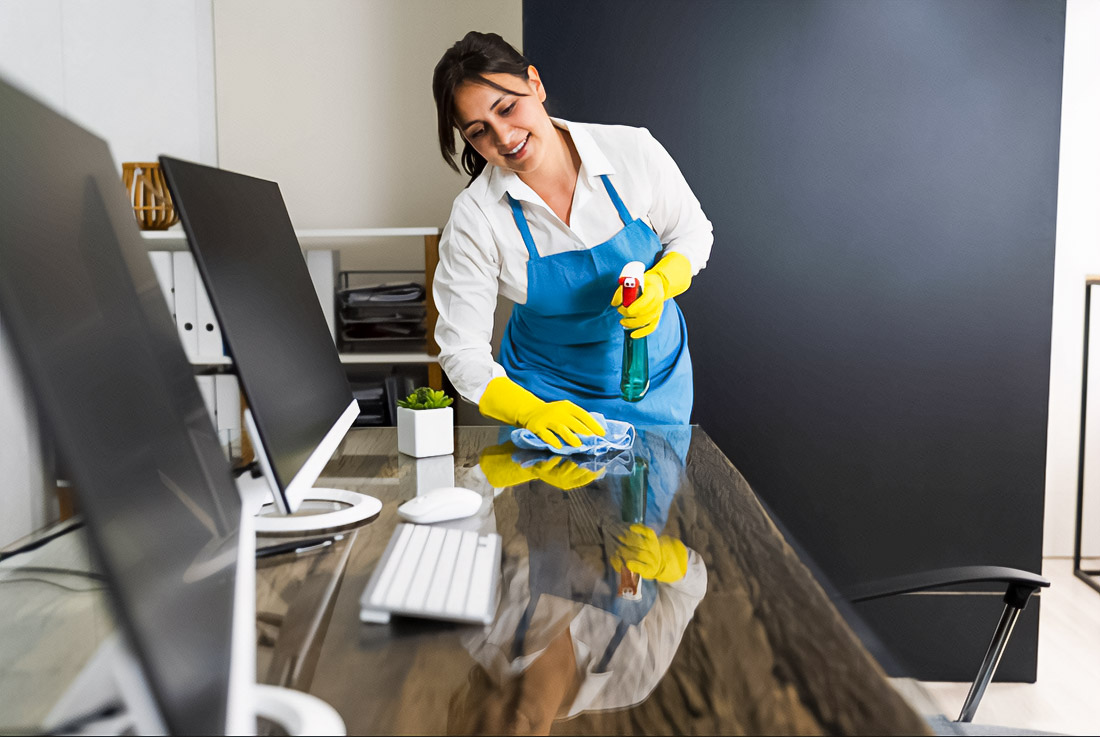
Office cleaning has long ceased to be a secondary, last-thought service.For businesses, it has become a practical tool that directly influences employee productivity, brand perception, and the overall sense of order. In England, dirty surfaces, overflowing bins, and dust-filled meeting rooms are noticed faster than many expect—especially in workplaces where people spend eight or more hours each day.
A one-time cleaning can create a cleanliness effect, but it disappears quickly. The only real benefit comes from a systematic approach based on regularity, clear standards and the human factor. This is how the office stays tidy not only in the morning after the cleaner’s visit, but also throughout the working week, which is why many organisations rely on professional office cleaning services rather than occasional solutions.
Regular Office Cleaning As Part Of The Work Process
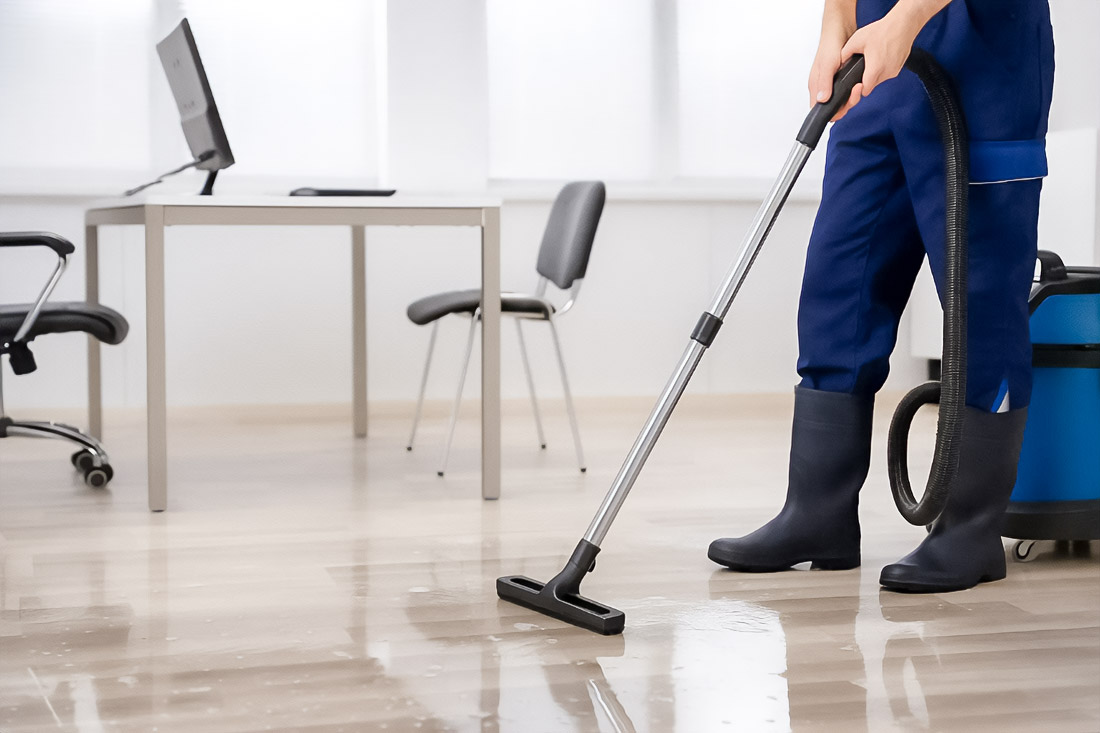
In most English offices, cleaning is carried out daily or several times a week, depending on the number of employees and the size of the space. The minimum duration of a visit is usually about two hours, which allows you to complete a basic set of tasks without haste and a superficial approach.
Standard office cleaning includes vacuuming, mopping floors, cleaning work surfaces, kitchen areas and bathrooms. Special attention is paid to public areas where pollution accumulates the fastest. Regularity allows you to keep clean without having to frequently resort to deep cleaning, which takes from three to six hours and requires more intervention in the work schedule.
It is important that cleaning in the office should not interfere with work. Therefore, it is often held early in the morning, in the evening or during non-working hours. A clear schedule and stable visits make the process unobtrusive but effective.
Quality, Standards And Attention To Detail
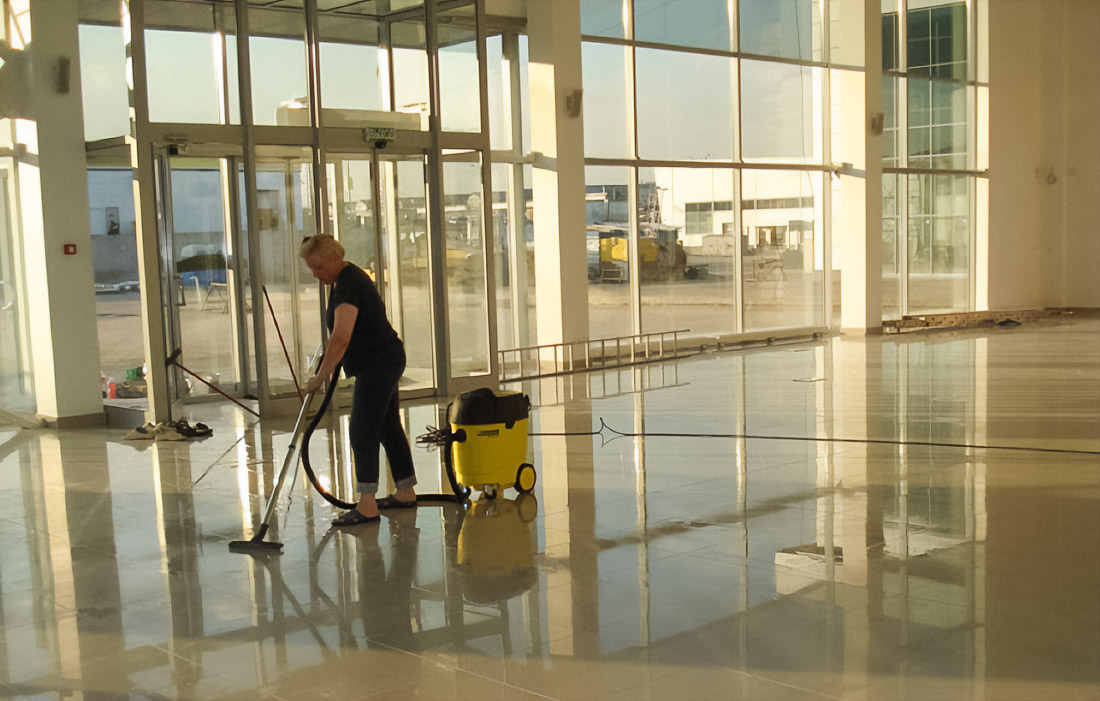
The quality of office cleaning in England is assessed on more than one basis. Everything is important at once. How thoroughly the tables are wiped. Have the traces on the glass partitions been removed? Are the kitchens and bathrooms clean by the beginning of the working day? It is the details that form the overall impression.
A high standard is impossible without consistency. When the same specialist or team works in an office on a permanent basis, they understand the specifics of the space faster. Where there is more passing traffic. Which areas require increased attention. Which surfaces are sensitive to improper cleaning.
Reliability plays a separate role. Punctuality, adherence to the agreed time, and completing tasks without constant reminders create a sense of control and order. This is especially important in an office environment, as cleanliness directly affects the company’s image in front of employees and visitors.
The Human Factor, Trust, And Business Benefits
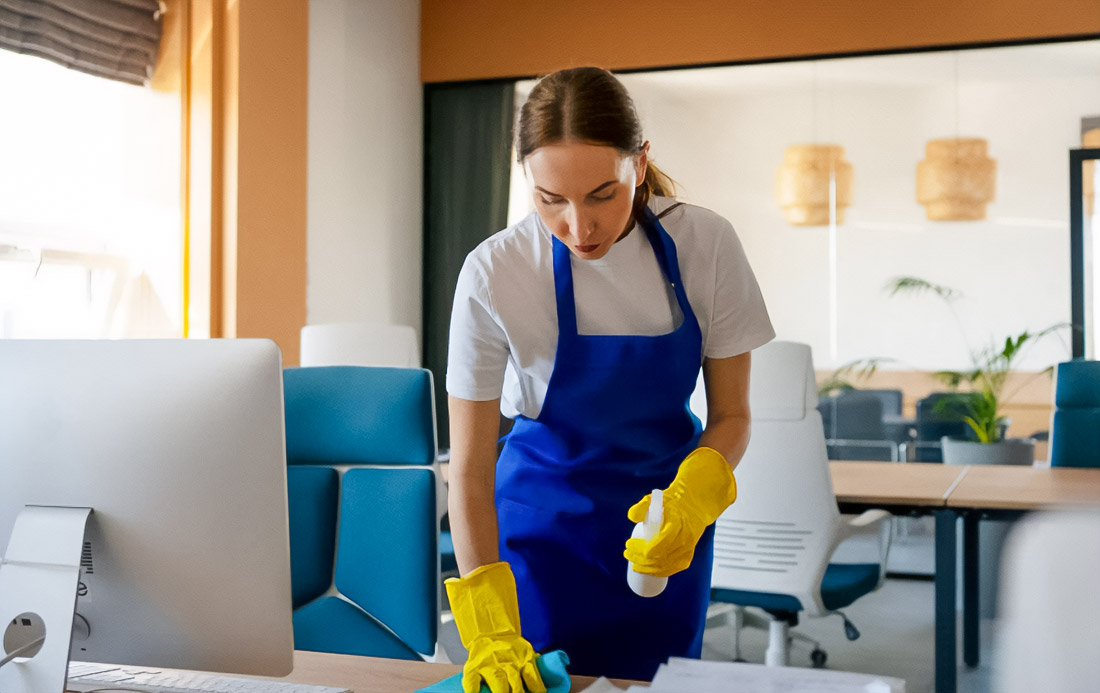
Office cleaning is not just about clean floors. It’s about trust. Cleaners often work in rooms with equipment, documents and personal belongings of employees. The ability to transfer access without alarm is possible only with well-established verification and accountability processes.
The human factor plays a key role here. Politeness, accuracy, and the ability to work discreetly and respectfully in relation to the office space are valued no less than the speed of completing tasks. This is why companies often work with the same service for years without changing the contractor for no good reason.
From a business perspective, regular office cleaning has a tangible effect. Employees work in a more comfortable environment. Visual noise is reduced. It saves time that would otherwise be spent on solving everyday issues. The office looks neat every day, not just after a general cleaning.
As a result, office cleaning in England is perceived not as an additional expense, but as part of a normal operating system. Stable cleanliness, reliability and a human approach create a workspace in which it is easier to focus, work more efficiently and maintain the professional image of the company.

Biker, shiba-inu lover, guitarist, Swiss design-head and multidisciplinary designer. Performing at the fulcrum of aesthetics and programing to create not just a logo, but a feeling. Let’s design a world that’s thoughtful, considered and aesthetically pleasing.